
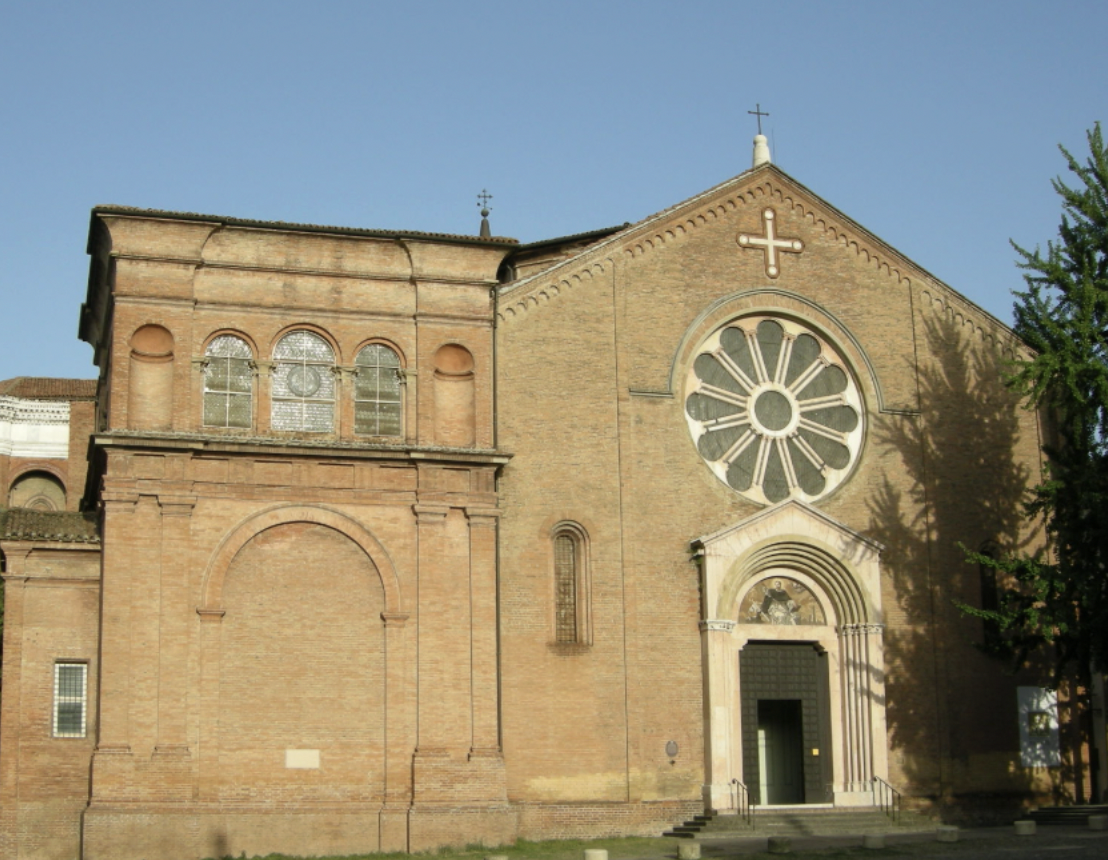
The infamous Inquisition once operated in the convent of San Domenico in Bologna, which is now the seat of the Theological Faculty of Emilia-Romagna. The Inquisition was still active in 1858 when Edgardo Mortara, a young Jewish boy who had been secretly baptized by his Catholic maid, was torn from his family and forced to live and work in the Church. All attempts to reclaim him—by his family, Jewish institutions, and the many statesmen who intervened against the violence “blessed” by Pope Pius IX—were in vain. From here, on September 24, in an initiative “of historic significance,” Professor Elèna Mortara—literary critic and professor of Anglo-American literature, as well as Edgardo’s great-niece—relaunched the appeal to Pope Leo XIV, which had previously been addressed to his predecessor, Francis.
The appeal concludes the book Bambini rapiti, bambini contesi (Kidnapped Children, Contested Children), edited by Mortara and Elisa Bianchi for Guerini e Associati. The appeal evokes the past with all its shadows but also looks to the present with all its unresolved issues because, despite many past “wounds,” canon law still allows the baptism of infants “against the will of families, even non-Catholic ones.”
Is a change of direction finally in the cards? Mortara is hopeful. “Corriere della Sera recently wrote quite emphatically about the appeal. Now, they can’t say they don’t know,” she said. This topic was also discussed at the ecclesiastical headquarters in Bologna with historians Guido Bartolucci, Gianni Festa, and Francesca Sofia in attendance. “The reflections were all thoughtful. Festa, a professor of church history and a Dominican, particularly appreciated the tone of my text and the desire to avoid conflict between religions. As I’ve said, part of the Catholic world opposes these practices.” Mortara urged moving “from words to action,” focusing on respect for all religions, natural law, and human brotherhood. Those listening to her included Maurizio Avanzolini and Marilena Buscarini, curators of the website “The Mortara Case in the Archiginnasio Library.” The exhibition features a detailed bibliographical journey with dozens of books and images comparing the Mortara case to the Dreyfus Affair in some respects.
a.s.