
Among the artifacts on display is also the little dress belonging to Emma Di Veroli, who was arrested at just two years and three months old during the roundup of October 16, 1943, and killed upon arrival at Auschwitz. They are part of “The Archive Tells Its Story. Family Memories in Documents of Anti-Jewish Persecution,” an exhibition open from Wednesday, October 14, at Palazzo Braschi in Rome and part of the program to acquire and highlight family archives promoted by the capital’s Shoah Museum Foundation.
The exhibition, curated by Marco Caviglia, head of the Foundation’s archive, was inaugurated the day before with remarks by, among others, the city’s mayor, Roberto Gualtieri; the president of the Shoah Museum Foundation, Mario Venezia, and Chief Rabbi Riccardo Di Segni. The initiative is the culmination of “over ten years of research, collection, and cataloging of family archives concerning the victims of anti-Jewish persecution in Italian territories beginning in September 1938,” emphasized
Caviglia, underlining that the archive has established itself as “an important point of reference for those who have chosen to entrust their own memories or those of their loved ones to future generations.” This journey, he also noted, culminated last year with the launch of a document collection campaign titled “From Homes to History: Every Document Can Bring a Life Back.”
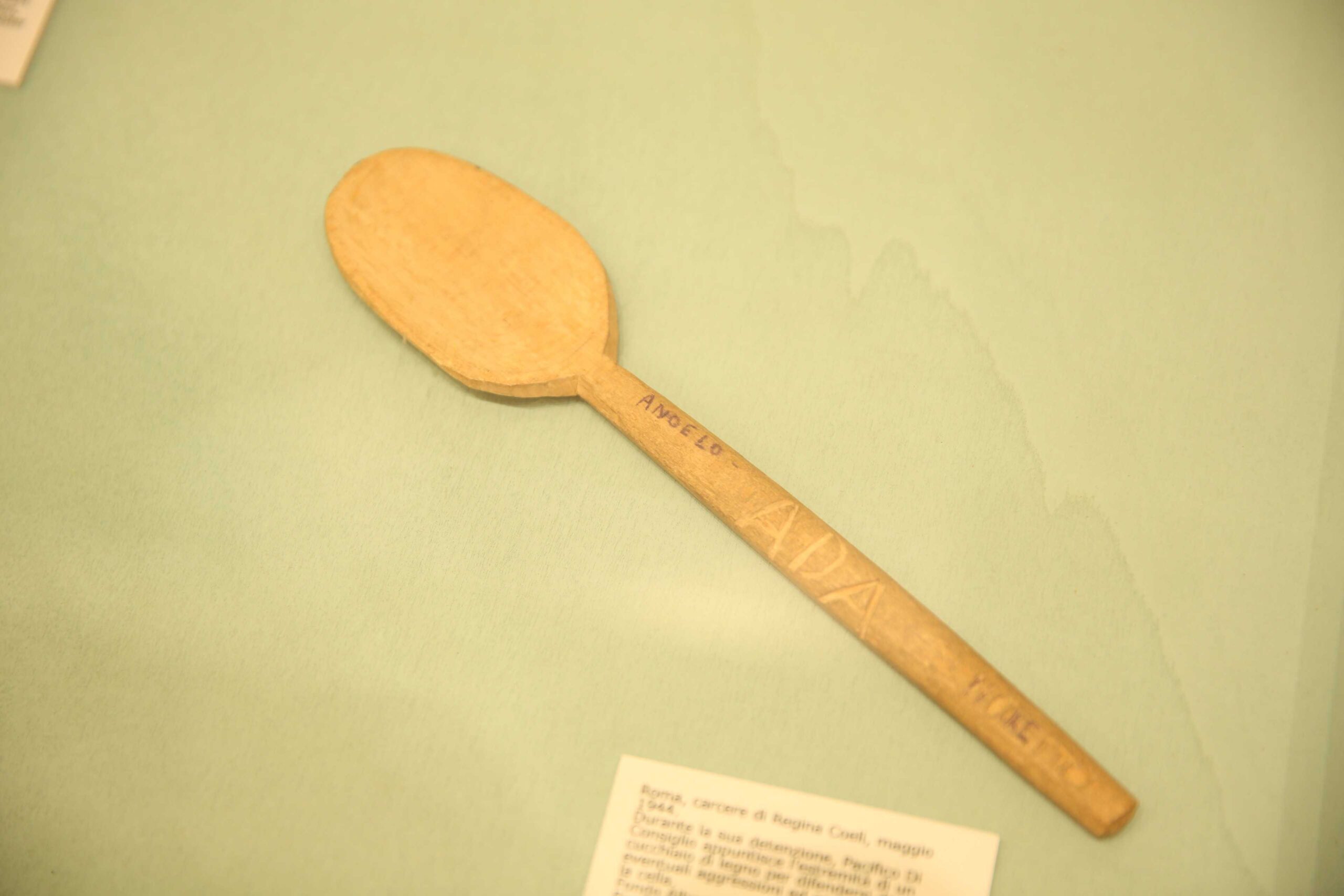
In the exhibition at Palazzo Braschi, open through October 25, family memoirs recount the stories of, among others, Emma Di Veroli, Lea Polgar, Marco Di Porto, Attilio Lattes, Roberto Arbib, Nando Tagliacozzo, Pacifico Di Consiglio, Piero Terracina, and Shlomo Venezia, but the exhibition also delves into other, partly intertwined, events. Regarding Shlomo Venezia, whose collection is being presented for the first time, the exhibition features the handwritten notebooks he used to prepare for meetings with students, letters of appreciation from schools, and two texts detailing the operation of the gas chambers. “We want to recount the different fates endured by Jewish families,” explains Caviglia. “Those who were entirely deported to the extermination camps, those who had some family members deported, and those who escaped arrest.” Caviglia is also the co-author, with Miriam Spizzichino, of the book Anni rubati (published by Giuntina), which includes the testimony of Settimia Spizzichino, the only woman to return among the more than 1,000 Roman Jews arrested on October 16. On the morning of October 16—the 83rd anniversary of the roundup—the book will be presented at the Campidoglio in the Sala della Protomoteca during an event for schools. “We are living in a time when conscious remembrance is facing attacks and resistance,” says Caviglia. “However, schools’ interest remains very high, and we see this every day at the Foundation.” On November 11, at the Teatro Parioli, we will launch our initiatives dedicated to school-work alternation. In fact, in just two days, the theater was fully booked with reservations from over 500 students.”
(In the image above: a spoon used by Pacifico Di Consiglio, with a sharpened tip, as a weapon against his persecutors)