
Esther Tapestry Tells a Story of Power and Salvation at the Shoah Memorial in Milan
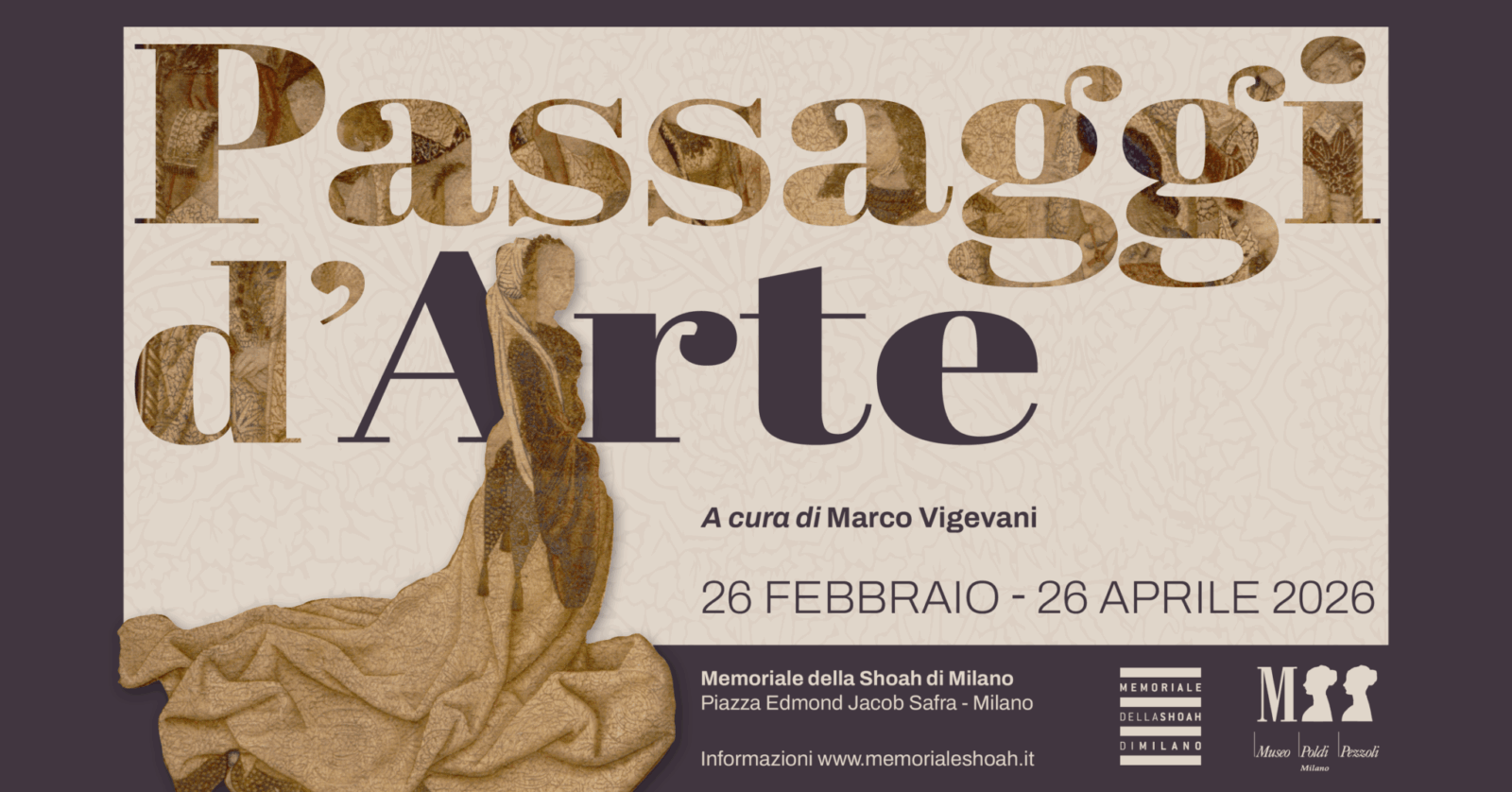
Woven in a Brussels workshop between the late fifteenth and early sixteenth centuries, the Flemish tapestry “Esther is Presented to Ahasuerus” tells an ancient story. It is a tale of power, identity, and salvation. Woven from wool, silk, and metallic threads, the tapestry was crafted for the ceremonial spaces of European courts, where images and symbols helped define hierarchies, alliances, and worldviews.
From February 26 to April 26, 2026, this masterpiece from the Poldi Pezzoli Museum will be on display at the Shoah Memorial in Milan. There, it will engage in dialogue with one of the most emblematic sites of Nazi-Fascist persecution in Italy.
The tapestry depicts the moment Esther presents herself to the Persian King Ahasuerus. She intercedes on behalf of the Jewish people, who were threatened with extermination.
As highlighted by the Poldi Pezzoli Museum, the scene is built through a complex visual staging. It includes ceremonial gestures, solemn architecture, and precious garments. These elements emphasize the political and symbolic significance of the meeting between the queen and the monarch.
Esther is one of the most significant figures in the biblical tradition. She is an extraordinary woman who combines beauty, intelligence, courage, and loyalty to her people facing extermination. Her story is about fear and prejudice, but also about dialogue and reconciliation,” explained exhibition curator Marco Vigevani.
The Shoah Memorial emphasized that the meaning of the work is amplified by the space in which it is displayed. Its gold tones, solemn gestures, and restrained gazes shed light on universal themes, such as the vulnerability of minorities, the weight of individual choices, and the role of intercession. Inside the Memorial, the tapestry becomes a prism. Through it, visitors can reflect on the relationship between power and minorities, representation and identity, and history and memory.”
The exhibition is accompanied by four videos. In one, Maria Taboga analyzes the textile techniques and visual language of the tapestry. The Chief Rabbi of Milan, Alfonso Arbib, explores the religious and biblical context. Anthropologist Simona Segre Reinach focuses on the symbolic value of clothing and studies the refinement of the depicted garments. Historian Giovanni Battista Lanfranchi explains the historical context and reconstructs court practices of the ancient Near East.
“The encounter between the Shoah Memorial and the tapestry dedicated to Esther generates bridges between different eras. It encourages reflection on fundamental themes of the present,” concluded Vigevani.
The initiative features a calendar of events related to Esther and the role of tapestries in European culture between the fifteenth and fourteenth centuries. On March 18, writer Elena Loewenthal will present a staged reading of Meghillat Esther, combining biblical narrative and contemporary interpretation. On March 26, Taboga and Segre Reinach will lead a discussion about the political, symbolic, and artistic value of tapestries in European courts.
d.r.
Translated by Elizabeth El Khoury and revised by Matilde Bortolussi, students at the Advanced School for Interpreters and Translators of the University of Trieste, trainees in the newsroom of the Union of the Italian Jewish Communities – Pagine Ebraiche.