
Rome: From Poet Crescenzo Del Monte to the Future of Judeo-Romanesco
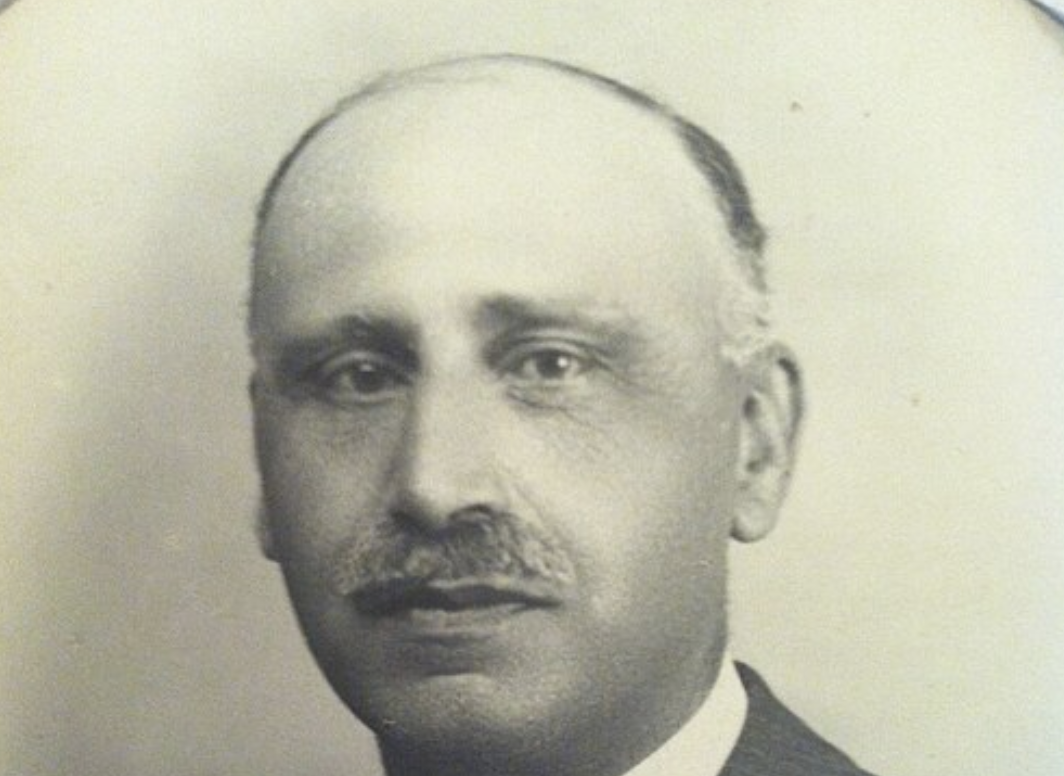
“I’m a Jewish Roman, and I’ve been Roman since the time of the ancients, when people used to eat figs,” declared Crescenzo Del Monte (1868–1935), poet and sonneteer celebrated for his works in Judeo-Romanesco and for his translations of medieval and sixteenth-century texts. Ninety years after his death, his voice still resonates — not only through his writings, but through a dialect that scholars consider very much alive.
“Del Monte was born at the end of the ghetto era in a house located where the monumental synagogue complex would later be built. He had a happy childhood, was known for his witty speech, and led a simple, modest life. He never left his city, whose every alley and stone he knew,” explained Lia Toaff, coordinator and head of educational projects at the Jewish Museum of Rome. His was also a fortunate historical timing: he died in 1935, three years before the promulgation of the racial laws, and so lived “without disillusionment” the entire age of emancipation — which began just two years after his birth, with the end of papal rule and the abolition of the Ghetto.
The Jewish Museum of Rome recently acquired the bulk of his archive: documents, letters, preparatory manuscripts, and an extensive photographic collection. Toaff notes that these materials confirm what those familiar with his work have long suspected — that Del Monte was a remarkable autodidact who devoted himself entirely on his own to glottological, philological, and literary studies, frequenting museums and libraries with no formal academic backing.
Scholars who have studied his legacy note that his figure is deeply consistent with the Rome in which he lived. His portrayal of Roman Jews is neither idealized nor diminished — it moves through life with its ironies and contradictions. For Del Monte, the poet Giuseppe Gioachino Belli was an absolute point of reference, above all for his coherence and severity: two poets of the same city, writing in sister dialects, bound by an unsentimental love for the streets they described.
That literary tradition extends well beyond the page. Judeo-Romanesco can be found today in poetry, comedy writing, theatrical performance, and liturgical texts such as the Passover Haggadah — a reminder that the dialect was never confined to literature alone but was woven into the rhythms of religious and domestic life. Researchers who have traced its current use across these fields are unequivocal: the dialect shows great vitality. Judeo-Romanesco, they maintain, has a future.
a.s.
Translated by Matilde Bortolussi and revised by Alessia Tivan, students at the Advanced School for Interpreters and Translators of the University of Trieste, trainees in the newsroom of the Union of the Italian Jewish Communities – Pagine Ebraiche.